Why Bulbs That Look the Same on the Box Can Look Different at Home
Learn why matching bulbs can look different at home, and compare colour, rendering, dimming and shape before choosing a bulb that suits your room.
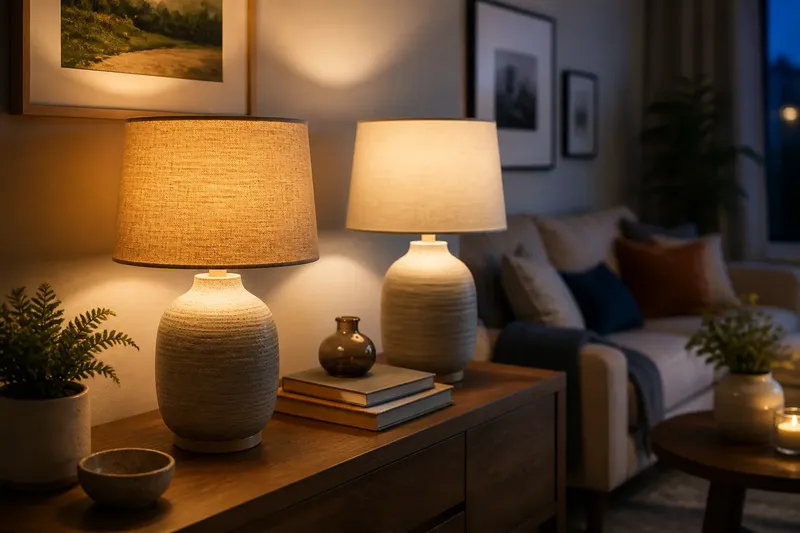
The common mistake with matching bulbs is assuming identical packaging will produce identical light in every room. That can leave a familiar paint colour looking muted in one place and oddly vivid in another. The matching bulb myth is not simply about choosing a different bulb for each room; it is about noticing how a bulb’s properties interact with shades, surfaces and the fitting around it.
Why can matching bulbs look unlike each other?
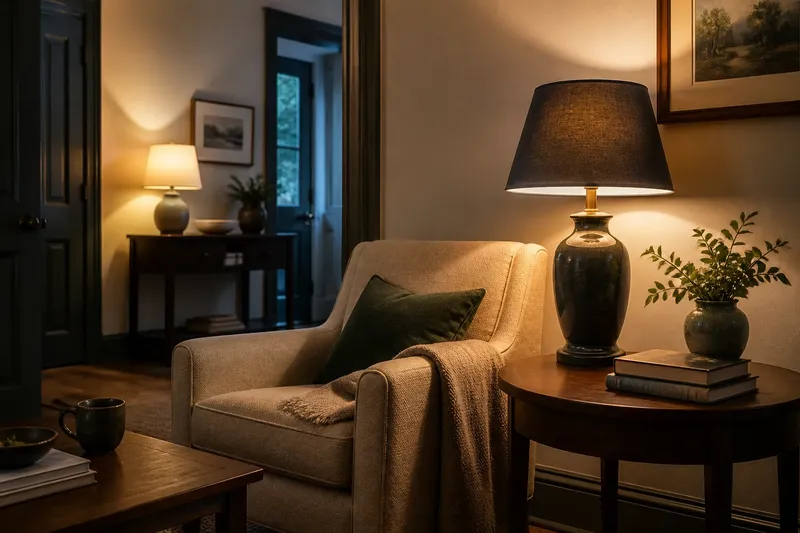
A bulb’s label describes only part of the result. Its colour appearance, colour rendering, direction and compatibility with a dimmer all affect what you see. A fabric shade may soften and tint the light, while a clear glass fitting exposes the bulb’s appearance more directly. Nearby wall colours and reflective surfaces can influence the impression too.
Think of bulbs as ingredients seen through different pieces of glass: the material around them changes what reaches your eye. Two bulbs with similar descriptions can therefore feel different once installed, and two different bulbs may appear more alike in a particular fitting.
Which bulb details are worth comparing?
Start with the fixture’s instructions and the bulb’s packaging. Check the fitting type, permitted bulb shape and size, and whether the fixture requires a particular kind of bulb. Then compare the features that influence the light itself:
- Colour appearance: Compare the maker’s warm, neutral or cool description, rather than relying on a name alone.
- Colour rendering: Check the manufacturer’s information if it matters that clothing, food or artwork looks true to its colours.
- Dimmability: If you use a dimmer, confirm that the bulb is marked dimmable and that the control is compatible.
- Light distribution: Look at whether the bulb is clear or diffused and where its light is directed; choose an option suited to the fitting and shade.
- Shape and size: Check that the bulb fits without touching the shade or showing in a way that causes uncomfortable glare.
- Fitting requirements: If the label or fixture instructions do not agree, follow the fixture manufacturer’s guidance and seek qualified help if compatibility remains unclear.
How can you tell whether a bulb suits its fitting?
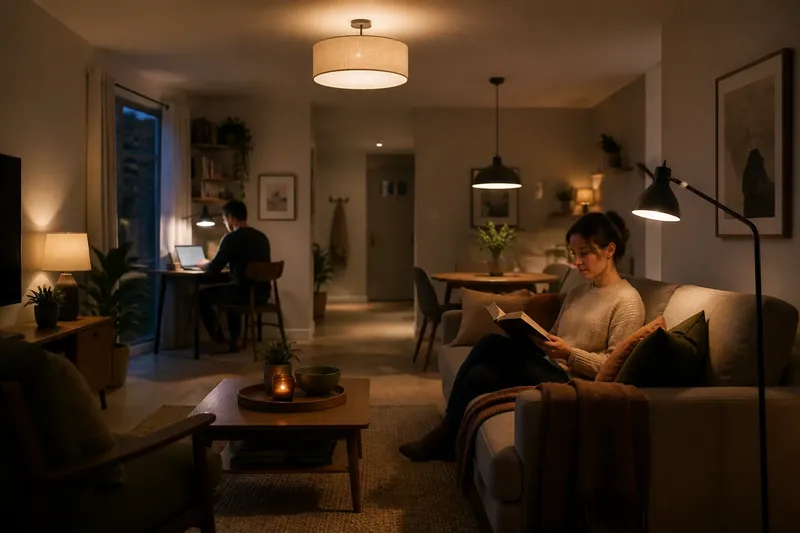
Check the bulb in the actual lamp or fixture, at the time and in the conditions you normally use it. A bulb that seems pleasantly soft in a shaded table lamp may look stark in an exposed ceiling fitting. Notice whether the light reaches the surfaces you care about and whether the bulb itself is visible from your usual seat.
If a bulb seems wrong, change one factor at a time. Try a different colour appearance while keeping the fitting constant, or retain the bulb and alter the shade if the fixture allows it. This makes it easier to identify whether the issue is the bulb, its surroundings or their combination.
What do people ask about matching bulbs?
Do matching bulbs have to come from the same brand?
No. Compare the bulb specifications and, where possible, view the light in its intended fitting. Brand names alone do not tell you how a bulb will appear beside a particular shade or surface.
Why does a bulb look harsher after installation?
The fitting may expose more of the bulb than the display did, or reflective surfaces may make the light feel stronger. Check its direction, shade and dimmer compatibility before deciding that the bulb itself is unsuitable.
Does colour rendering matter for every room?
It matters most where distinguishing colours affects what you do, such as choosing clothes or looking closely at artwork. For other uses, colour appearance and comfort may matter more than fine distinctions in rendering.
Can I mix different bulbs in one room?
Yes, if each bulb is suitable for its fitting and the combined light looks comfortable to you. Check how the sources appear together in the room rather than assuming that matching labels will make them visually consistent.
How should you compare bulbs before replacing several?
Use the fixture and its surroundings as the comparison point. An invented situation makes the process clear: say you have two table lamps with different fabric shades and want their light to look more alike. The starting inputs are the bulbs’ packaging, the lamp instructions and the room as it is used in the evening.
- Read each lamp’s instructions and check that both bulbs have suitable fittings and shapes. If either bulb is not permitted, set it aside and choose a compatible replacement.
- Write down the makers’ colour-appearance descriptions and dimmer guidance. If the descriptions differ noticeably, select a compatible bulb with a closer description for the lamp that looks out of place.
- Install one suitable bulb, then switch on both lamps under the same room conditions. If their light still looks unlike, note whether the difference appears strongest at the shade, on the wall or on nearby fabric.
- Check the bulb’s rendering information if the mismatch concerns colours, rather than brightness or direction. If colour rendering is not the likely cause, retain the bulb and consider whether the shade is tinting the light.
- Compare the two lamps again after changing only the suspected factor. If they now look closer, use that choice in other compatible fittings; if not, keep the original bulb and avoid replacing the second lamp’s bulb until its own fit and appearance have been checked.
The expected result is not necessarily identical light. The useful decision is whether the remaining difference suits the room or still distracts you; the shades may make perfect visual matching impractical without changing the fittings.
When should you change the bulb, and when should you change something else?
Change the bulb if its shape, colour appearance, rendering or dimmer compatibility does not suit the fitting and its use. If the light is comfortable but falls in the wrong place, the shade or lamp position may be the better adjustment. If the bulb is exposed and causes glare, a suitable shade or fixture may help more than choosing a bulb with a different label.
For a matching bulb choice, compare the actual installed light rather than treating the box as the final verdict. Check compatibility first, then consider colour appearance, rendering and distribution in the setting where the bulb will stay. That small distinction helps you decide whether to replace a bulb, alter its surroundings or leave a pleasing difference alone.